2163
UEG
HIGHCOM Facility Bravo-6, Sydney, Australia, Earth
UNSC Supreme Headquarters, URNA, Earth
Military, exploratory, and scientific force
Emergency military government
UNSC
Defense of Earth and Human Colonies
UNSC Judge Advocate General's Corps
UNSC High Command (HIGHCOM)
UNSC Security Coucil:
Commander-in-Chief Fleet/Chief of Naval Operations
Commander-in-Chief of the Office of Naval Intelligence
Commander-in-Chief of the Spartans
FADM Lord Terrence Hood
"Per Mare, Per Terras, Per Constellatum."
- UNSC Motto
(Latin for "Through Sea, Through Land, Through the Constellations.")
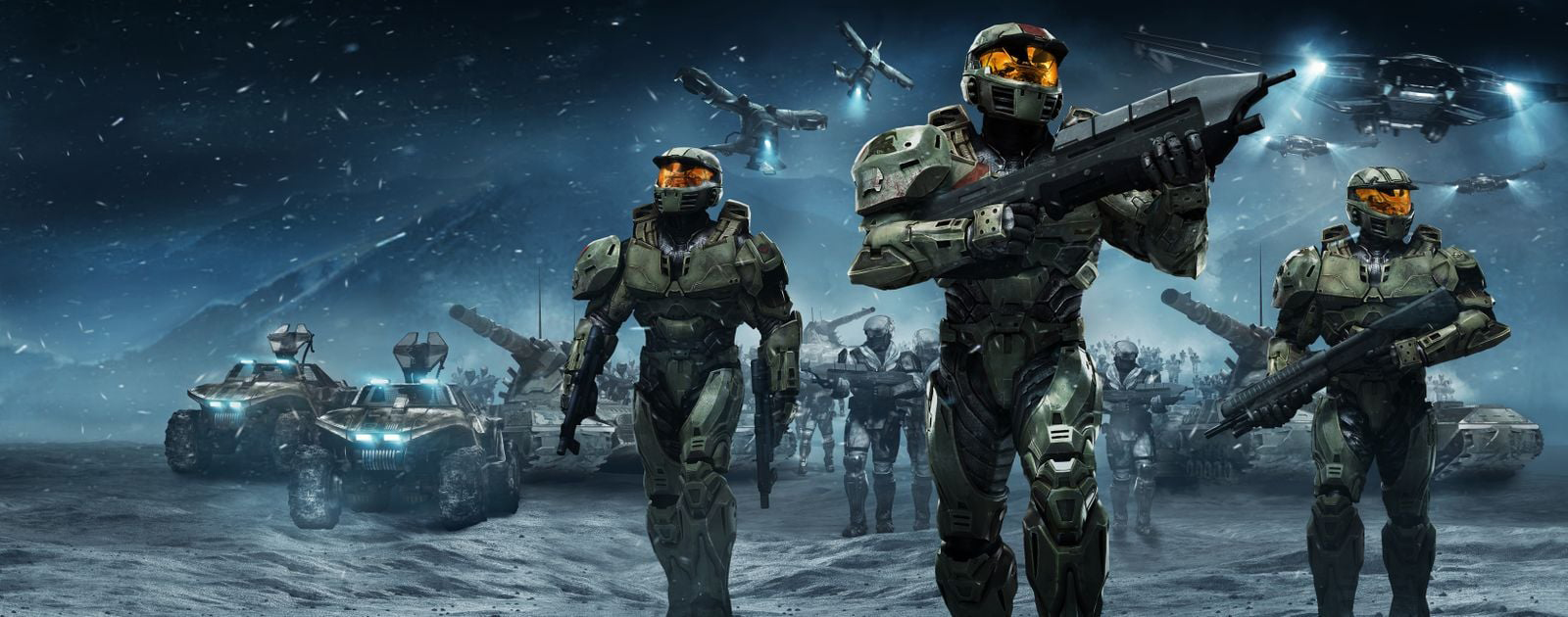
The United Nations Space Command (UNSC) is the Military, Scientific and Exploratory agency of the United Earth Government (UEG), and is also the acting governing body during emergency situations, most notably for the duration of the Human-Covenant War. The UNSC's history spans from the 22nd Century starting with the Interplanetary Wars throughout the Sol System on Mars, the Jovian Moons,and South American Rainforests, to the current, post-Human-Covenant War era. During it's formation in the 22nd Century, it acted as the military arm of the United Nations prior to the unification of Humanity in the UEG in 2204, where the United Nations Space Command, United Nations and the Colonial Military Authority became subordinate to the UEG.
Prior to 2525, the UNSC was stretched all across human controlled space throughout the Orion Arm. At the time, the UNSC's main concern was containment and subjugation of the Insurrectionsts, a large but mostly decentralized civil war, of which they collaborated with the Colonial Military Authority to carry out military operations. This Insurrection also lead to the creation of the SPARTAN-II Program in 2511, however this was kept in absolute secrecy due to the contoversial nature of the program.
In 2525, Humanity made a disastrous first contact with the Covenant, which lead to the destruction of Harvest and the costly campaign to defend the outer colonies against Covenant Incursion. During the war, the UNSC's image went from a controversial military authority to humanities only bastion of defense against an overwhelmingly powerful enemy, which lead to the UNSC gaining government powers, and becoming the primary governing body. While the UEG was more than willing to allow the UNSC to take power, the Colonial Administration Authority (CAA), which maintained UEG order over the colonies, resisted the UNSC's rise to governance, and was consequently stripped of their influence.

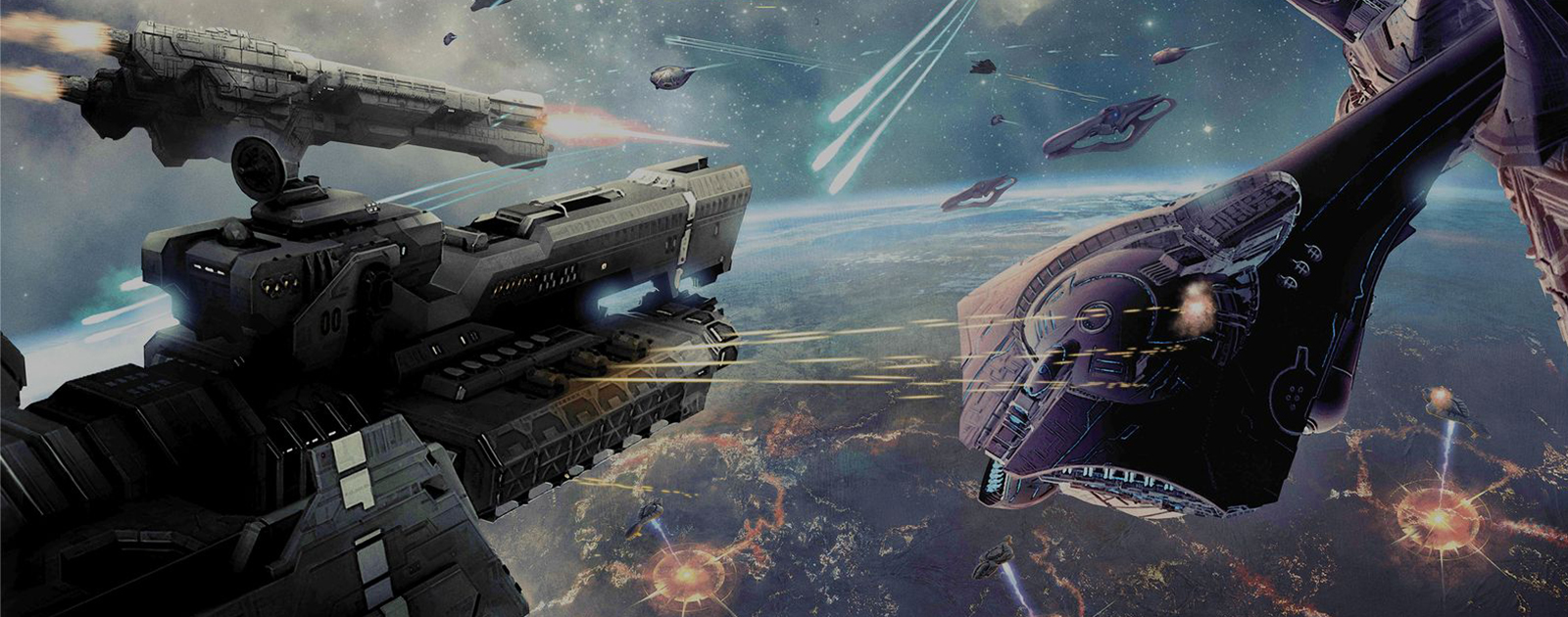
The UNSC Navy is the branch of the United Nations Space Command responsible for space warfare and operations. It's primary roles include space warfare, orbitial bombardment, deployment of space-based and atmospheric fighters, and the transport and delivery of UNSC Marines into combat. Additionally, the UNSC Navy is involved in colonization, settling of trade disputes and anti-piracy operations. Alongside the UNSC Marine Corps, the UNSC Navy is one of the most senior branches of the UNSC.

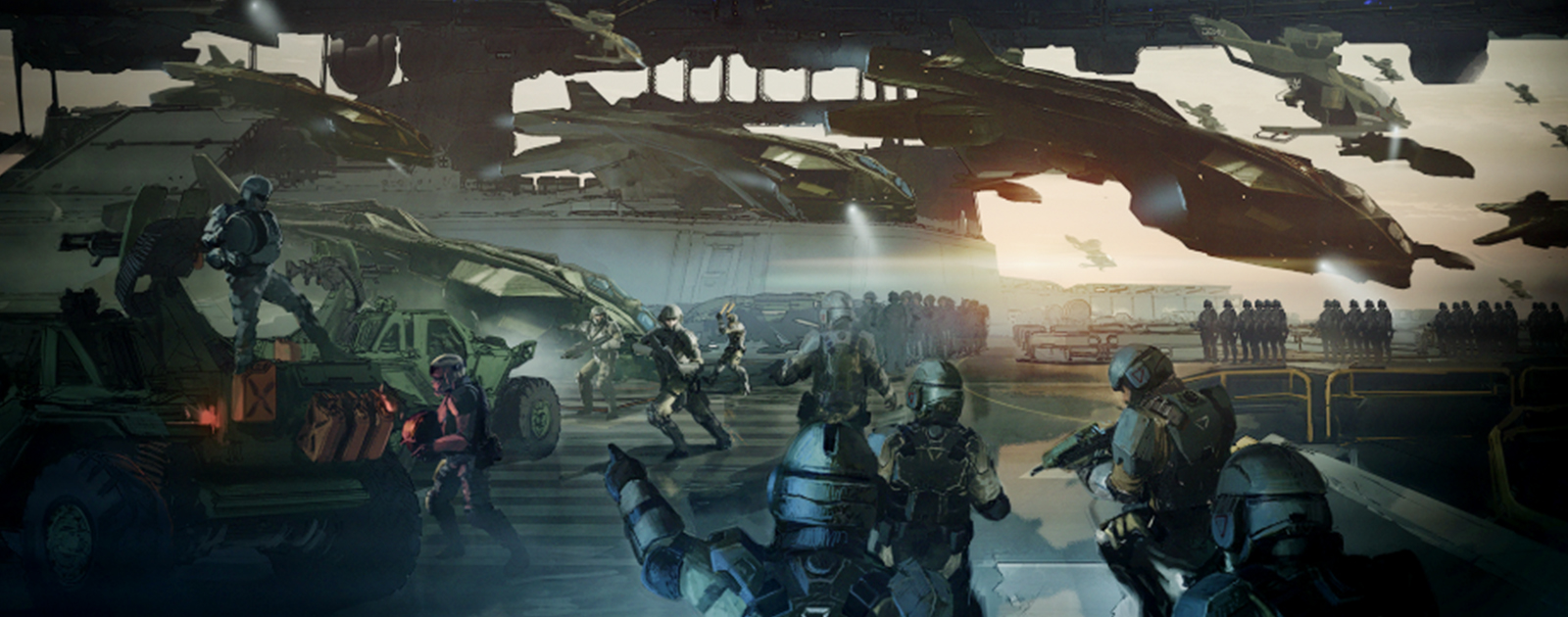
The UNSC Marine Corps is the branch of the United Nations Space Command responsible for expeditionary land-based amphibious operations and airborne combat operations, while using the mobility of the UNSC Navy to rapidly deploy their forces. Marines also defend naval installations from hostile forces. The Marine Corps is one of the senior branches of the UNSC, having been formed at the same time as the UNSC Navy. The UNSC Marine Corps have fought in almost every single major conflict the UNSC has been involved in.

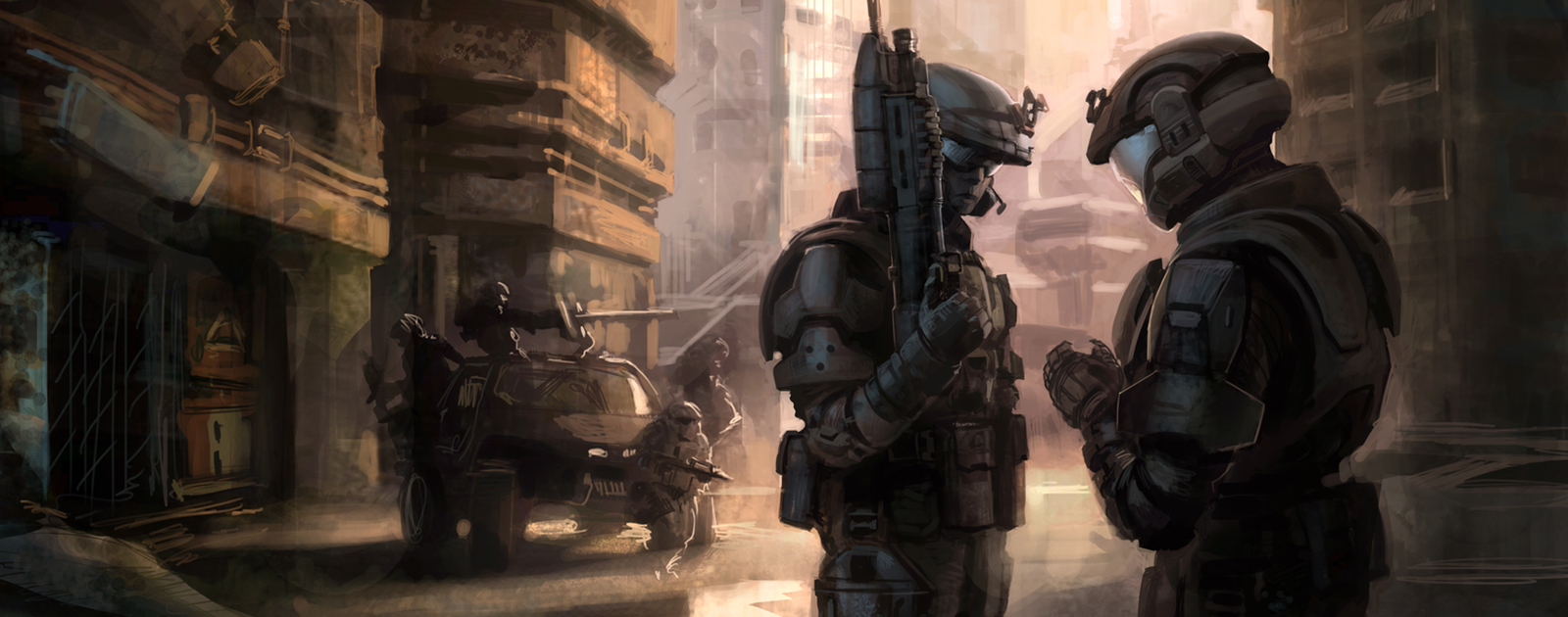
The UNSC Army is the branch of the United Nations Space Command, and is responsible for land-based military operations under the direction of the Unified Ground Command alongside the UNSC Marine Corps and any other land-based military forces. Unlike the Marine Corps who are an expeditionary branch deployed in operations across the galaxy with the UNSC Navy, the UNSC Army primarily carries out Garrison Duty and defends UEG territory, serving as part of the UNSC Defense Force alongside the UNSC Air Force.

The UNSC Air Force is the branch of the United Nations Space Command responsible for atmospheric aerial operations and orbital defense. The Air Force maintains all UNSC Orbital Defense facilities, satelites and unmanned and manned aerospace interceptors to defend human-controlled space. The UNSC Air Force often closely works with the UNSC Navy and the UNSC Army, the latter of which lacking a dedicated Air Combat Component and relying off the UNSC Air Force for air transport and air cover.
The ultimate authority of the UNSC's actions lies in the office of the President of the United Earth Government. The authority of the President is typically absolute, however the Chairman of the UNSC Security Council, who is the principal commander of all UEG military assets, is authorized to act in the presidents stead regarding the matters of defense. The UNSC Security Council is the principal staff element of the UNSC regarding all military operations, and is responsible for policy development, strategic planning, resource management, and fiscal evaluations.
Below the UNSC Security Council is UNSC High Commmand (HIGHCOM) which is the UNSC's joint staff and executive body. The senior HIGHCOM officers report directly to the UNSC Security Council, however they primarily coordinate joint and inter-agency protocols and objectives. HIGHCOM controls a wide range of sensitive and strategically vital officers and boards, encompassing the UNSC Inspector General, UNSC Special Topics Committee, General Officer Review Board and the UNSC Ordnance Commission. HIGHCOM also advises UEG civilian leadership in matters regarding defense and is based in HIGHCOM Facility Bravo-6, located within Sydney, Australia. Other commands within UNSC HIGHCOM is the UNSC Personnel Command (PERSCOM), the Medical Corps, Engineering Corps, Human Resources, and Astrophysics. Legal enforcement of the UNSC Judicial Code falls onto the UNSC Judge Advocate General's Corps. Research into improvement of UNSC operations is carried out by the Internal Audit Office.
The UNSC is split into two major combat commands, Naval Command (NAVCOM) and the Unified Ground Command (UNICOM). NAVCOM controls all space based assets and operations, while UNICOM controls all terrestial and close-orbit missions. NAVCOM has administrative control over the UNSC Navy, its officers, and select UNSC Marine Corps units. UNICOM has authority over the UNSC Army, UNSC Air Force and select UNSC Marine Corps units. UNICOM Works with NAVCOM to coordinate orbital fire support and in-atmosphere support.
NAVCOM predominately holds authority over the UNSC Navy and the Office of Naval Intelligence, alongside some UNSC Marine Corps Units for space-based operations. Notably, representatives from all UNSC Military Branches serve in joint leadership and committee appointment within the organization. NAVCOM was formed alongside UNICOM during the formation of the UNSC in 2163, and was limited to the Sol System until the development of Slipspace technologies.
UNICOM holds authority over all terrestial and close-orbit UNSC assets, and maintains authority over the UNSC Army, UNSC Air Force, and terrestial elements of the UNSC Marine Corps. Unlike NAVCOM, administrative control of these branches is kept strictly to each individual branch rather than being unified under UNICOM. UNICOM carries out all UNSC ground operations, from disaster relief to military campaigns, and while UNICOM can directly command and organize forces that fall under it's jurdistiction, it cannot alter the internal structure of each UNSC Branch it encompasses. All forces under UNICOM are delegated into combined-arms task forces, which may also be paired with NAVCOM to form even larger joint task forces, which are appropriately designated to one of four Central Commands encompassing human controlled space.